


PFAS: What You Need to Know
JEA is proactively monitoring and addressing PFAS to ensure safe, reliable water—today and for the future.
PFAS is the name for a group of thousands of long-lasting, human-made chemicals found everywhere in the environment and in consumer products that we use every day. The Environmental Protection Agency plans to implement new state and federal regulations for a group of PFAS chemicals. JEA is already preparing to meet these new EPA drinking water standards to continue protecting public health. At JEA, we are taking a proactive, science-based approach to monitoring, understanding, and addressing PFAS in our water system in order to remain compliant with new EPA drinking water standards well ahead of mandated timelines. Learn more about PFAS chemicals and what we’re doing to limit their occurrence in our drinking water.
 What Are PFAS Compounds and Where Do You Find Them?
PFAS or per- and polyfluoroalkyl substances are a group of manufactured chemicals that do not naturally occur.
Since the 1940s, PFAS chemicals have been used in industry and consumer products worldwide. PFAS are widespread around the world in air and soil and they are even found in remote environments such as the Arctic. These chemicals do not easily break down and are sometimes called “forever chemicals” because they do not break down naturally. Their longevity makes these chemicals useful for many products, such as nonstick cookware, water-repellent clothing, stain-resistant fabrics and carpets, cosmetics, firefighting foams, and products that resist grease, water, and oil. Because of this widespread use, PFAS are now part of a broader conversation including where these chemicals potentially live, water quality, environmental stewardship, and long-term public health. The detection of PFAS at very low levels is not unique to Jackson, but is a nationwide issue being monitored by utilities across the United States, and some, like JEA, are proactively addressing it.
Studies show that most people in the U.S. have been exposed to some level of PFAS due to their widespread use and environmental persistence. This widespread presence prompted the EPA to require sampling of all water systems across the U.S. Most systems, large and small, detected PFAS at some level. This map indicates areas that have detected PFAS in water.
Research continues to evaluate how PFAS exposure affects us, but current scientific research has not determined how different levels of exposure to different PFAS can be harmful to human health. Some PFAS have been phased out of production, yet they remain in the environment for long periods and newer PFAS alternatives continue to be developed. To get the latest information on PFAS, visit https://www.epa.gov/pfas .
Evolving National Standards
While JEA currently meets all state and federal drinking water regulations, PFAS regulations are evolving rapidly. In 2024, the U.S. Environmental Protection Agency established national drinking water standards for PFAS, setting enforceable limits at extremely low concentrations in the parts per trillion (ppt) range. These limits include:
- 4 ppt for PFOA
- 4 ppt for PFOS
- 10 ppt for PFHxS, PFNA, and GenX
Public water systems exceeding these levels must take corrective action by the year 2031. JEA is not waiting until 2031. We are already actively planning, testing, and investing to meet these standards years in advance.
What Do JEA Water Scientists See?
 |
In 2023, JEA began monitoring groundwater in the Memphis Sands Aquifer that supplies Jackson’s drinking water for a group of PFAS chemicals. Recent advances in testing technology allow our scientists to test for PFAS at extremely low concentrations, measured in parts per trillion (ppt). For perspective, one part per trillion is equal to one second in 32,800 years or one water droplet in 20 Olympic-size swimming pools.
When tested at parts per trillion, JEA, along with over 10,000 sites and water systems across the US, showed a minuscule presence of PFAS. Our monitoring has shown a trace of PFAS chemicals in our aquifer at very low levels, parts per trillion, in certain locations. We continue to regularly monitor our water source using advanced analytical tools capable of measuring PFAS these levels. Our testing includes:
•Raw source water(before treatment)
•Treated finished water(after treatment, before distribution)
These testing practices align with state and federal recommendations, ensuring early detection and continued compliance with any future regulatory changes This allows JEA to stay ahead of these changes and make informed, strategic decisions about future treatment needs.
JEA communicates openly and transparently about the drinking water supplied to our community. As PFAS regulations evolve, we will continue to share our results, updates, data, and solutions on addressing these trace levels of PFAS.
JEA currently meets all state and federal drinking water regulations. You can review the JEA Consumer Confidence Report here.
PFAS Removal from Water
PFAS can be removed from water through several treatment processes. Technologies such as granular activated carbon, ion exchange and reverse osmosis can remove PFAS from water.
JEA is currently testing treatment options with a pilot project at our South Treatment Plant. Through this pilot work, JEA is identifying the most effective, reliable, and cost-efficient treatment solutions for long-term implementation to meet the 2031 EPA PFAS drinking water regulations. These efforts position JEA ahead of many utilities by allowing us to evaluate solutions proactively, long before federal or state regulations require these changes.
Meeting the 2031 EPA standards for drinking water is a significant and costly undertaking for a city serving 100,000 people. JEA is addressing this challenge 5 years early by carefully considering the financial and operational options to meet these future EPA limits. This includes smart investment in long-term treatment infrastructure and operational adjustments that can allow JEA to meet the 2031 EPA regulations in the summer of 2026.
Our goal is clear: maintain safe, reliable, affordable drinking water while meeting future regulatory requirements.
Customer and Safety Information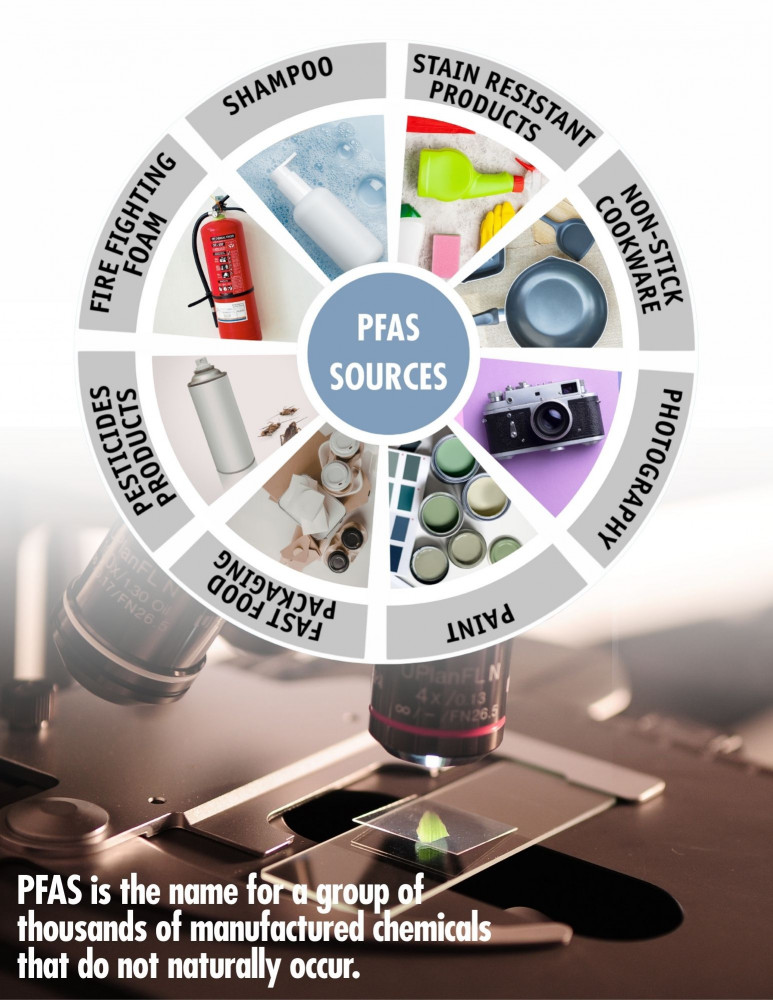
You can greatly reduce your exposure to PFAS through increasing your awareness of their sources, including, but not limited to:
- Nonstick cookware (especially when damaged)
- Household dust
- Personal care products
- Food packaging
- Cleaning products
- Makeup
- Water repellent products and clothing
- Pesticides
- Stain resistant products
- Electronics
- And more
Besides the trace amounts found in most drinking water, you should be aware there are still many other commercial and industrial sources where PFAS can be found. PFAS are found globally in air, water, and food.
Bottled water is not necessarily PFAS-free, and tap water remains one of the most highly monitored and regulated drinking water sources available. At-home water filters may reduce PFAS levels in drinking water, but they won’t remove PFAS entirely.
Our Commitment to You
At JEA, our commitment goes beyond compliance. We are actively:
- Monitoring PFAS at advanced detection levels
- Testing treatment solutions now, rather than when regulations change later
- Planning infrastructure improvements well ahead of deadlines
- Keeping our community informed every step of the way
We are not waiting for the future. We are planning for it today to ensure safe, reliable drinking water for generations to come.